Saltwater is, without question, the most corrosive environment steel will ever encounter in service. The combination of chloride ions, dissolved oxygen, biological organisms, mechanical abrasion, UV radiation, and constant immersion creates a corrosion rate in marine environments that can be 200 to 400 times more aggressive than rural atmospheric exposure. For the operators of commercial ships, offshore platforms, marine terminals, and coastal infrastructure, marine rust coating is not a maintenance item — it is the single most critical investment in the viability of the entire asset.
This guide breaks down exactly how marine corrosion works, what distinguishes a proper marine rust coating system from standard industrial paint, and why the stakes of getting it wrong extend far beyond repair budgets.
Why Saltwater Destroys Steel Faster Than Anything Else
The chemistry of marine corrosion is more aggressive than atmospheric corrosion because seawater acts as a highly conductive electrolyte. The electrochemical corrosion cell — the fundamental mechanism by which iron oxidizes — runs far faster when the electrolyte (in this case, seawater) has high ionic conductivity. Chloride ions in seawater don’t just accelerate the corrosion reaction; they also break down passive oxide films that would normally slow corrosion on stainless and carbon steels alike.
The corrosion rate isn’t uniform across a vessel or structure. The splash zone — the area at and just above the waterline — is typically the most aggressive zone because it experiences repeated wetting and drying cycles, high oxygen availability, UV degradation, and mechanical wave impact. Submerged zones experience different but still severe corrosion driven by dissolved oxygen and biological fouling organisms. Atmospheric zones above the waterline face airborne salt spray, UV, and temperature cycling.
The Four Marine Corrosion Zones
- Atmospheric zone: Above the splash zone; exposed to salt spray, UV, and temperature cycling. Standard three-coat corrosion protection with UV-stable topcoat.
- Splash zone: Most aggressive area; alternating wet/dry, high oxygen, wave impact. Requires glass flake reinforced epoxy or other high-film-build systems with exceptional moisture resistance.
- Tidal zone: Below the splash zone to below low tide; intermittent immersion and biofouling. High-build epoxy with antifouling topcoat.
- Submerged zone: Permanently below waterline; biofouling, cathodic protection interaction, moderate electrochemical activity. Immersion-grade epoxy combined with cathodic protection systems.
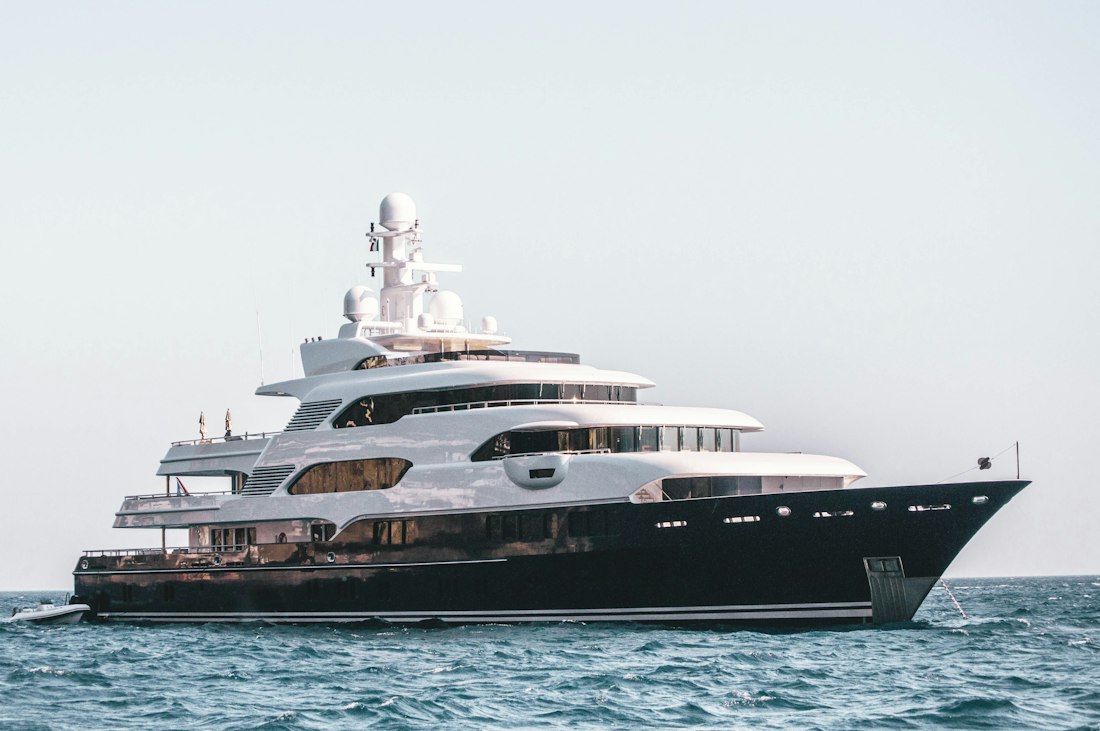
What Makes Marine Rust Coating Different from Standard Industrial Coatings
A standard industrial coating system designed for an outdoor structural steel bridge would fail within one to two years in a marine immersion or splash zone environment. Marine rust coating systems are fundamentally engineered for a different set of challenges.
Barrier Properties: The Primary Defense
Marine coating systems must maintain an intact moisture and chloride barrier even when subjected to continuous immersion, hydrostatic pressure, biofouling attachment forces, wave impact, anchor chain abrasion, and the thermal cycling of alternating warm and cold sea states. High-build epoxy systems — applied in thick, multi-coat films totaling 300 to 500 microns or more — are the backbone of marine corrosion protection precisely because of their exceptional barrier properties and adhesion to properly prepared steel.
Glass flake epoxy is a specialty formulation that incorporates microscopic glass platelets into the coating matrix, creating a labyrinthine barrier that dramatically slows moisture and chloride ion permeation. These coatings are standard in splash zones and critical immersion areas where standard epoxy barrier properties are insufficient.
Cathodic Protection Integration
Marine rust coating does not operate in isolation — it works alongside cathodic protection (CP) systems. Impressed current cathodic protection (ICCP) and sacrificial anode systems both rely on the hull coating to minimize the current demand required to maintain protection. A poorly applied or degraded hull coating dramatically increases CP current requirements, shortens anode life, and creates localized areas of under-protection where accelerated corrosion occurs.
Coating-CP system compatibility is therefore a key specification requirement. The hull coating must be designed to function within the operating potential range of the CP system without undergoing cathodic disbondment — a failure mode where the alkaline conditions generated at the steel surface under cathodic protection cause the coating to lose adhesion from underneath.
Antifouling Technology
Biofouling — the attachment of barnacles, mussels, algae, slime biofilms, and other marine organisms to submerged hull surfaces — is both a corrosion risk and a significant performance issue. A heavily fouled hull can increase fuel consumption by 10–40%, costing large commercial operators millions of dollars per year in additional fuel costs. Antifouling topcoats, which release biocidal compounds or use low-surface-energy silicone technology to prevent organism attachment, are an essential component of any complete marine hull coating system.
Modern self-polishing copolymer (SPC) antifouling paints are the global standard for commercial shipping. These coatings erode slowly in service, continuously exposing fresh biocide to the water interface and maintaining antifouling performance for the full length of the dry dock interval — typically 2.5 to 5 years for large commercial vessels.

Marine Rust Coating for Offshore Structures: A Different Scale of Challenge
If ship hulls represent a demanding marine environment, offshore oil and gas platforms represent an extreme one. Fixed jacket platforms, floating production units, and jack-up rigs operate continuously in open ocean conditions, often in remote locations where maintenance access is difficult and shutdowns are measured in millions of dollars per day.
The splash zone on an offshore platform is particularly brutal — wave heights in the North Sea, Gulf of Mexico, and Southeast Asian producing areas expose this zone to repeated high-energy impacts at chloride concentrations that make harbor conditions look gentle. NORSOK M-501 is the Norwegian industry standard that governs marine coating specifications for North Sea offshore structures, and it represents one of the most rigorous coating performance requirements in the world.
Offshore structure coating systems typically incorporate thermal spray aluminum (TSA) or thermal spray zinc (TSZ) coatings in the splash zone, providing both a robust physical barrier and galvanic protection that functions even when the coating is damaged — a critical requirement given the impracticality of repainting submerged offshore components between major overhauls.
The Marine Rust Coating Application Process: What It Actually Takes
Dry Dock Preparation
The dry dock interval is the window during which a vessel’s hull is accessible for full inspection, surface preparation, and coating application. It is also the most expensive maintenance period in a ship’s operating life, which creates constant pressure to minimize drydock time and costs. This pressure is the enemy of good coating work.
Proper marine hull preparation requires high-pressure fresh water washing to remove salt, biofilm, and loose paint followed by abrasive blasting to SSPC SP-10 (Near White Metal) or better, achieved with appropriately sized abrasive media to generate the required surface profile for the coating system’s adhesion requirements. Compromising on surface preparation to save time during dry dock will result in premature coating failure that costs far more to correct at the next dry dock than the original savings achieved.
Coating Application in Marine Conditions
Marine coating application presents environmental control challenges not found in standard industrial settings. Dry docks are open environments subject to tidal humidity variations, morning dew, and weather changes that can render conditions unsuitable for coating application with little warning. Certified marine coating applicators understand these constraints and monitor ambient conditions continuously, using dew point meters, sling psychrometers, and surface temperature gauges to verify application windows.
Film build control is particularly critical for marine coatings. Most marine epoxy systems require a minimum total dry film thickness to achieve their rated barrier properties and service life. Under-applied coatings may look identical to properly applied systems on visual inspection but will fail significantly earlier due to inadequate film integrity.
Holiday Detection and Final Inspection
Holiday detection — using either low-voltage wet sponge or high-voltage spark testing to locate pinholes and voids in the coating film — is a mandatory quality control step for immersion and splash zone marine coatings. A single pinhole in an immersion coating creates a site of intense localized corrosion activity that can undermine surrounding coating in a crevice corrosion mechanism. Holiday detection before reflotation is the last line of defense against these failure points.
Marine Rust Coating for Smaller Vessels and Marine Infrastructure
Marine rust coating principles apply equally to commercial fishing vessels, offshore support vessels, ferries, tugboats, and recreational vessels — as well as to marine infrastructure including docks, piers, seawalls, jetties, and marine terminal steel.
Smaller vessel operators often make the mistake of using products not designed for marine service — standard epoxy primers, architectural paints, or budget antifouling products that lack the film build and barrier properties needed to survive in tidal and submerged zones. The result is predictable: premature rust-through, structural integrity issues, and repair costs that dwarf what a proper coating job would have cost at initial application.
Marine terminal and dock infrastructure presents its own set of challenges. Structural steel pilings in tidal zones are often subject to crevice corrosion within timber or concrete fendering systems, microbiologically influenced corrosion (MIC) from sulfate-reducing bacteria in the sediment, and mechanical impact damage from vessel berthing. A comprehensive marine rust coating program for waterfront infrastructure includes coating systems specifically designed for piling, submerged structural steel, and splash zone applications.
How Long Does Marine Rust Coating Last?
Service life depends on the coating system specified, the quality of surface preparation, the application method and quality control, and the actual service environment. For commercial vessel hulls with a properly specified and applied system including antifouling topcoat, a 5-year dry dock interval is the typical design target for modern coating systems. High-specification offshore structures with glass flake epoxy and thermal spray systems may achieve 15–20+ years of service life in the most demanding zones.
Maintenance painting — touching up localized damage, treating weld seam and edge rust, and refreshing antifouling topcoats — between major dry dock cycles is an important strategy for extending coating system life and avoiding the exponential cost of large-scale reblasting and full system reapplication ahead of schedule.
Frequently Asked Questions About Marine Rust Coating
What is the best coating for a ship’s hull?
For commercial vessels, the industry standard is a multi-layer system: zinc-rich primer on blasted steel, high-build epoxy intermediate coats (often glass flake formulations in the splash zone), and a self-polishing copolymer (SPC) antifouling topcoat for the underwater hull. Total system dry film thickness typically ranges from 400 to 600 microns depending on the specification and service environment.
How does saltwater accelerate rust compared to fresh water?
Seawater contains approximately 3.5% dissolved salt, primarily sodium chloride, which makes it a highly conductive electrolyte. This dramatically accelerates the electrochemical corrosion reaction compared to freshwater environments. Chloride ions also penetrate and break down the passive oxide layers on steel surfaces and attack corrosion protection coatings through osmotic blistering mechanisms. The combination of high conductivity and chloride activity makes saltwater roughly 5–10 times more corrosive than average freshwater environments.
What is cathodic disbondment and how does marine coating prevent it?
Cathodic disbondment occurs when the alkaline environment generated at the steel surface by cathodic protection (CP) current causes the hull coating to lose adhesion from the steel substrate, creating blisters and delamination. Marine hull coatings are formulated with adhesion promoters and binder chemistries specifically selected for their resistance to cathodic disbondment, and coating selection must be validated against the operating potential of the CP system to ensure compatibility.
Do the same coatings work for offshore platforms and ship hulls?
Not exactly. While both use high-build epoxy systems and antifouling technologies, offshore structures often require coatings certified to more rigorous standards (NORSOK M-501, ISO 20340) with longer design service lives and higher performance in the splash zone. Thermal spray coatings are more common on fixed offshore structures than on ship hulls due to the different maintenance access constraints. The fundamental chemistry is similar, but the performance specifications and application complexity differ significantly.
Protecting your marine assets from saltwater corrosion requires a coating partner who understands the marine environment. Rust Coatings provides certified marine rust coating services for commercial vessels, offshore platforms, marine terminals, and coastal infrastructure nationwide. Our NACE-certified marine coating specialists deliver compliant, performance-guaranteed systems backed by our 25-year warranty program. Contact us for a marine coating assessment.