
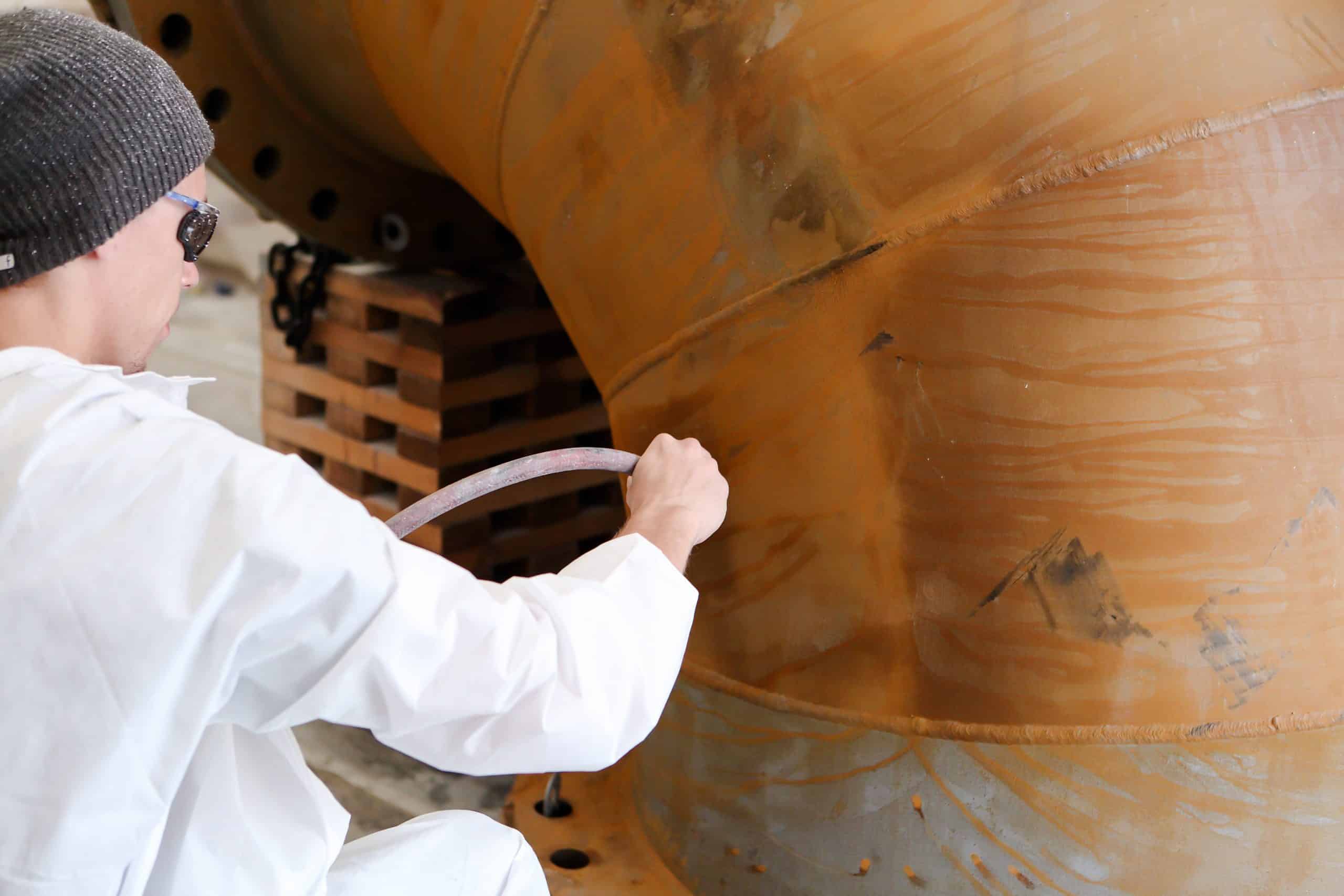
Spray-applied rust prevention coatings
Stop rust for a living.
Polyurea and polyurethane rust coatings protect frames, trailers, equipment, structures and tanks for years, not seasons. We help contractors and new business owners get equipped, trained and spraying, and help owners find someone who already is.
- Hands-on training
- Turnkey spray rigs
- Financing options
I want to…
Add rust coatings to my shopEquipment, training and materials to add a rust protection service. Start a rust coating businessTurnkey spray rigs, hands-on training and financing options. Spray our own fleet or equipmentFleets, plants, farms and public works protecting their own steel. Get something coatedGet connected with a trained rust coating applicator.Backed by ArmorThaneCoatings manufacturer since 1989
Sets in secondsBack in service the same day
One seamless filmNo seams for moisture to creep under
Real technical supportCoatings people, not a call center
The problem
Rust never takes a day off.
Road salt and brine, humidity, saltwater, fertilizer and process chemicals attack steel every day. Paint chips, oil sprays wash off, and the rust comes back. That gap between how fast steel rusts and how well it’s protected is the opportunity.
$2.5T
Estimated global cost of corrosion each year, about 3.4% of world GDP. Up to 35% of it could be saved with corrosion control that already exists.
Source: NACE International IMPACT study, 2016
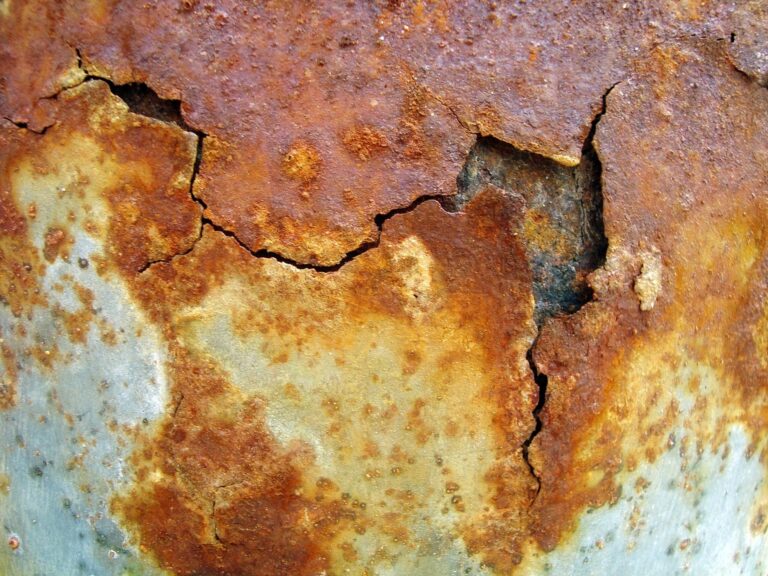
Salt & brine
Frames, trailers, plows and equipment rust from the inside of seams out.
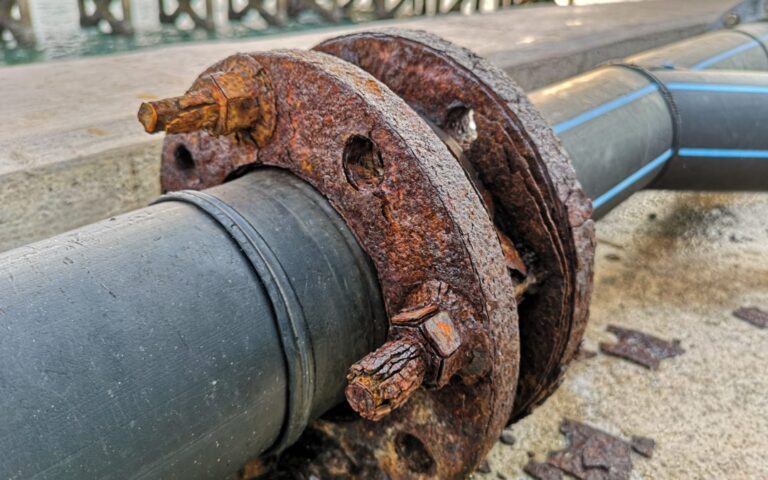
Moisture & chlorides
Pipe, flanges, docks and tanks corrode wherever water sits.
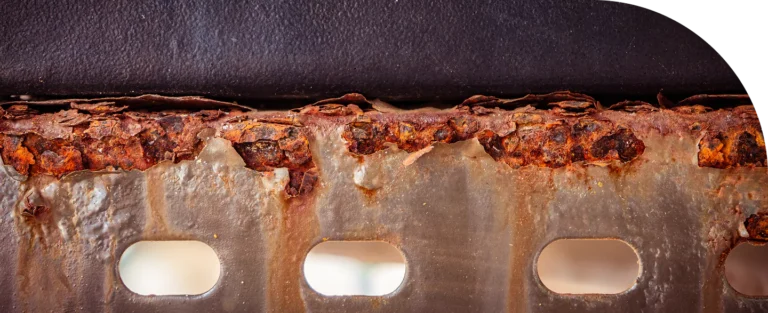
Chemicals & wear
Plants, farms and process areas eat through ordinary paint.
Applications
One spray rig. Every kind of rusting steel.
The same equipment and skills protect all of it, which is exactly why rust protection makes such a good business.
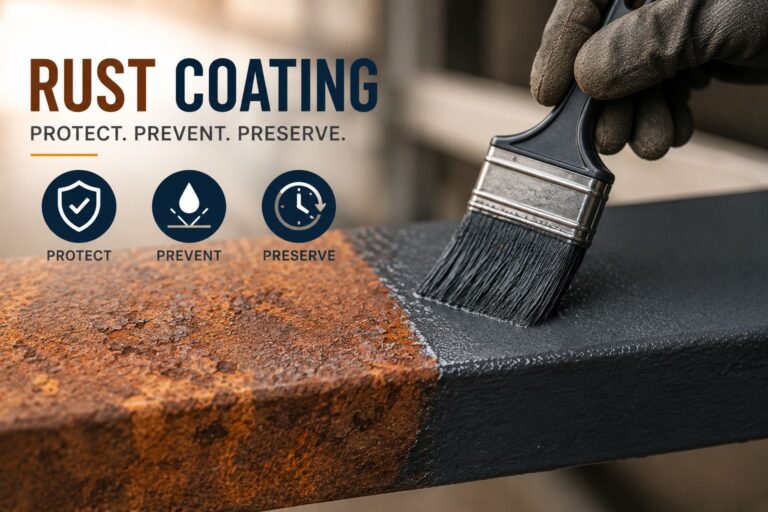 Automotive & undercoating
Frames, undercarriages, truck beds and trailers fighting road salt and brine.
Explore
Automotive & undercoating
Frames, undercarriages, truck beds and trailers fighting road salt and brine.
Explore
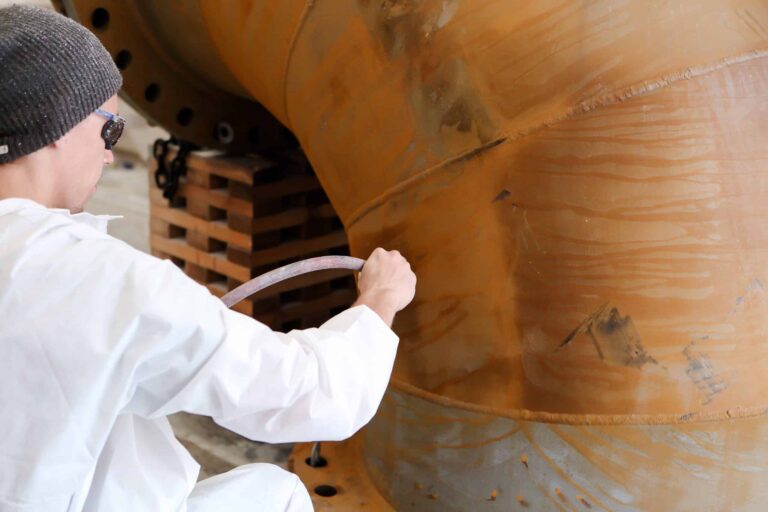 Industrial
Plant steel, conveyors, hoppers and process equipment, protected between shutdowns.
Explore
Industrial
Plant steel, conveyors, hoppers and process equipment, protected between shutdowns.
Explore
 Marine
Docks, floats, lifts, trailers and coastal steel in the harshest exposure there is.
Explore
Marine
Docks, floats, lifts, trailers and coastal steel in the harshest exposure there is.
Explore
 Structural steel
Metal roofs, canopies, stairs, towers and building steel that has to last.
Explore
Pipe & tanks
Above-ground pipe, supports, flanges, tank exteriors and culverts.
Explore
Rust restoration
Bringing rusted trailers, equipment and structures back into service.
Explore
Structural steel
Metal roofs, canopies, stairs, towers and building steel that has to last.
Explore
Pipe & tanks
Above-ground pipe, supports, flanges, tank exteriors and culverts.
Explore
Rust restoration
Bringing rusted trailers, equipment and structures back into service.
Explore
Why spray polyurea
Built for rust. Fast enough for real schedules.
Polyurea is sprayed hot through plural-component equipment and cures into a tough, elastic membrane almost immediately. For rust protection, that changes the whole job.
Fast cure
Sets in seconds and builds thickness in multiple passes the same day, so equipment goes back to work sooner.
Seamless
A continuous membrane over welds, seams and fasteners, the places rust always starts.
Flexible
High elongation lets it move with flexing, vibrating steel instead of cracking off it.
Tough
Excellent abrasion and impact resistance for gravel, cargo, ice, hulls and heavy use.
Why spray-applied
How spray polyurea stacks up against the usual options
Every rust protection method has a place. Here’s why fast-set spray systems are the one applicators build businesses around.
| Property | Spray polyurea | Epoxy paint | Rubberized undercoat | Oil / wax spray |
|---|---|---|---|---|
| Cure speed | Sets in seconds | Hours to days | Hours | Stays wet |
| Film build per visit | Thick, multi-pass | Thin coats | Moderate | Thin film |
| Flexibility | High elongation | Rigid | Flexible | n/a |
| Abrasion & impact | Excellent | Fair to good | Good | Low |
| Typical re-application | Long service life | Years, touch-ups | Several years | About yearly |
| Equipment needed | Plural-component rig | Airless or brush | Spray gun | Spray can or gun |
General comparison. Actual performance depends on the specific product, surface preparation and application.
How the work is done
From rusted steel to protected.
Six stages, done in order, every time. Tap through them. This is the work you’re trained to do.
Stage 1 of 6
Inspect
Assess the steel: rust grade, section loss, contamination, existing coatings and the conditions it lives in.
Field note: Find out what failed before. It tells you what the new system has to survive.
Stage 2 of 6
Clean
Pressure-wash and degrease. Salt, oil and road film come off before any rust removal starts.
Field note: Chlorides left in seams and pits are what make rust come back under a coating.
Stage 3 of 6
Prepare
Blast or mechanically clean to sound, profiled steel, the cleanliness the system calls for.
Field note: Most coating failures trace back to prep, not product. This is where good applicators earn their reputation.
Stage 4 of 6
Prime & mask
Mask what must stay clear, then prime bare steel within its window.
Field note: Steel should be at least 5°F (3°C) above the dew point, or you’re coating over condensation.
Stage 5 of 6
Spray
Heated, plural-component polyurea goes on in crossing passes to the specified thickness and sets in seconds.
Field note: Stripe edges, welds and corners first. That’s where coatings are thinnest.
Stage 6 of 6
Inspect & hand over
Check thickness and coverage, test where required, document and return to service.
Field note: Before-and-after photos and a clean job record sell the next job.
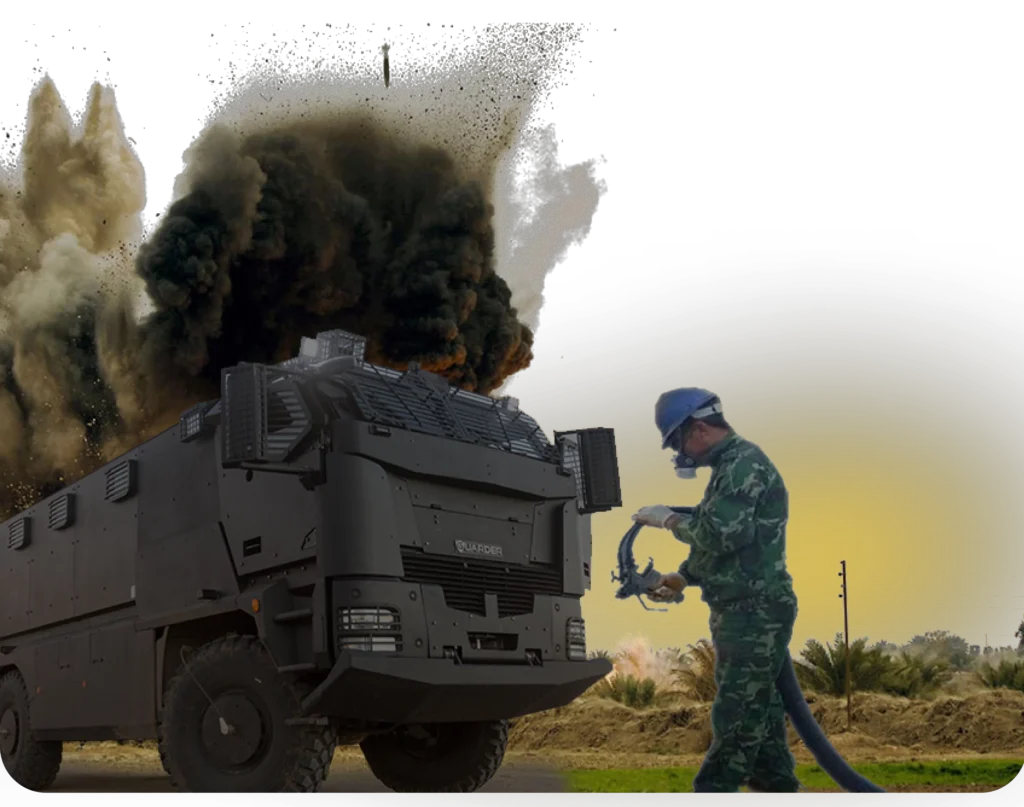
For contractors & entrepreneurs
Make rust protection your specialty.
Rust coating is skilled, repeatable work with customers in every town, and most areas have very few people who do it well. ArmorThane gets you equipped, trained and supported so you can be the one they call.
- Spray equipment packagesMobile trailer rigs or shop setups built around a heated plural-component proportioner.
- Hands-on trainingEquipment, surface prep, application and safety.
- MaterialsPolyurea, polyurethane and hybrid systems for rust protection and beyond.
- Marketing toolsAn applicator portal with marketing materials, tech tips and sales resources.
- Financing optionsEquipment financing so the rig can start paying for itself.
The Journal
Field notes on stopping rust.
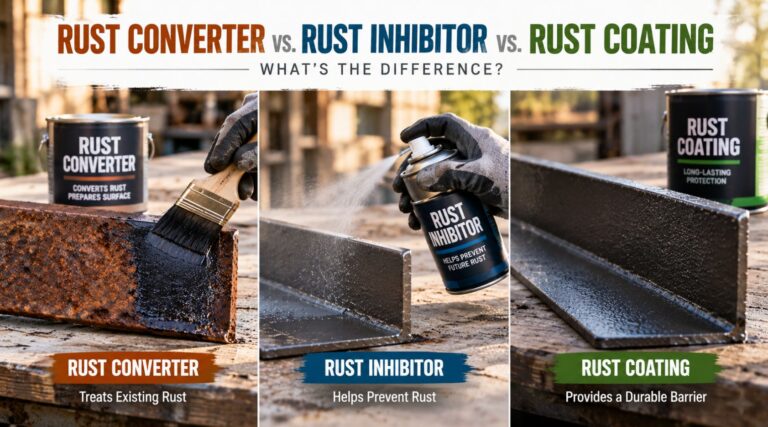 Rust Converter vs. Rust Inhibitor vs. Rust Coating: What’s the Difference?
Rust Converter vs. Rust Inhibitor vs. Rust Coating: What's the Difference? Walk into any hardware store's corrosion aisle and you'll find three…
Sep 23, 2026Read
Rust Coating: How Protective Coatings Stop Corrosion
Rust doesn't happen because metal is weak. It happens because iron, oxygen, and moisture are constantly trying to react with each other,…
Aug 19, 2026Read
Rust Converter vs. Rust Inhibitor vs. Rust Coating: What’s the Difference?
Rust Converter vs. Rust Inhibitor vs. Rust Coating: What's the Difference? Walk into any hardware store's corrosion aisle and you'll find three…
Sep 23, 2026Read
Rust Coating: How Protective Coatings Stop Corrosion
Rust doesn't happen because metal is weak. It happens because iron, oxygen, and moisture are constantly trying to react with each other,…
Aug 19, 2026Read
 Marine Rust Coating: How Ships and Offshore Structures Survive Saltwater Corrosion
Discover why saltwater is 200x more corrosive than rural air, how marine rust coating systems work for ships and offshore platforms, and the critical role of cathodic protection integration in marine corrosion defense.
May 17, 2026Read
Marine Rust Coating: How Ships and Offshore Structures Survive Saltwater Corrosion
Discover why saltwater is 200x more corrosive than rural air, how marine rust coating systems work for ships and offshore platforms, and the critical role of cathodic protection integration in marine corrosion defense.
May 17, 2026Read
FAQ
Questions, answered.
What does it cost to start spraying rust coatings?
Most of the investment is the spray rig: a heated plural-component proportioner, heated hose, spray gun and either a trailer or a shop setup. Materials, training and safety gear add to that. The right package depends on whether you work mobile or from a bay and what you plan to spray first, so tell us your plans and we’ll put real package pricing in front of you, including financing options.
Do I need coatings experience?
No. It helps to be mechanically minded and comfortable with equipment, and many successful applicators come from auto body, painting, welding, bedliner, ag or construction work. Hands-on training covers equipment operation and maintenance, surface preparation, application technique and safety.
Can you spray polyurea over rust?
Not over loose rust, scale, oil or salt. A spray coating is a barrier, and it is only as good as its bond to the steel. Abrasive blasting to the profile the system calls for is the standard; where blasting isn’t practical, thorough power-tool cleaning with the right primer can work on some jobs. Spraying over rust traps the problem underneath.
Should I start mobile or in a shop?
Both work. A trailer-mounted rig takes you to docks, farms, plants and job sites; a shop setup suits vehicles, trailers and parts that can come to you. Many applicators start with one and add the other. We’ll help you match the setup to the markets you plan to chase.
What’s the difference between polyurea and polyurethane?
Both start with an isocyanate. Polyurea reacts it with an amine blend and sets in seconds, which makes it fast and tolerant of cool or humid conditions during cure. Polyurethane reacts it with a polyol and cures more slowly; aliphatic polyurethanes are often used as UV-stable topcoats. Hybrids blend the two. The right choice depends on the job.
How long does a spray-applied rust coating last?
It depends on surface prep, film thickness, the environment and the system. A properly prepared and applied polyurea or polyurethane system protects for years, while oil- and wax-based rustproofing sprays are typically reapplied every year or so. Prep is the single biggest factor.
Can you spray polyurea over rust?
Not over loose rust, scale, oil or salt. A spray coating is a barrier, and it is only as good as its bond to the steel. Abrasive blasting to the profile the system calls for is the standard; where blasting isn’t practical, thorough power-tool cleaning with the right primer can work on some jobs. Spraying over rust traps the problem underneath.
Will the coating fade in sunlight?
Aromatic polyureas are extremely tough but can darken or chalk in direct sun. Where color and gloss matter, an aliphatic topcoat goes over them. That is a normal part of specifying exterior work.
How do I find someone to coat my equipment?
Use the form on this page and choose “I need something coated.” Tell us what you have and where it is, and we’ll connect you with a trained applicator in the ArmorThane network who does that kind of work.
Get started
Ready to start spraying rust coatings?
Tell us a little about you and what you want to protect. We’ll follow up with equipment options, training details and pricing, or connect you with a trained applicator if you need something coated.
- Takes about two minutes
- A real person follows up, not an autoresponder
- Equipment, training, materials and financing in one conversation
Backed by ArmorThane. Polyurea and polyurethane coatings manufacturer since 1989, Springfield, Missouri.