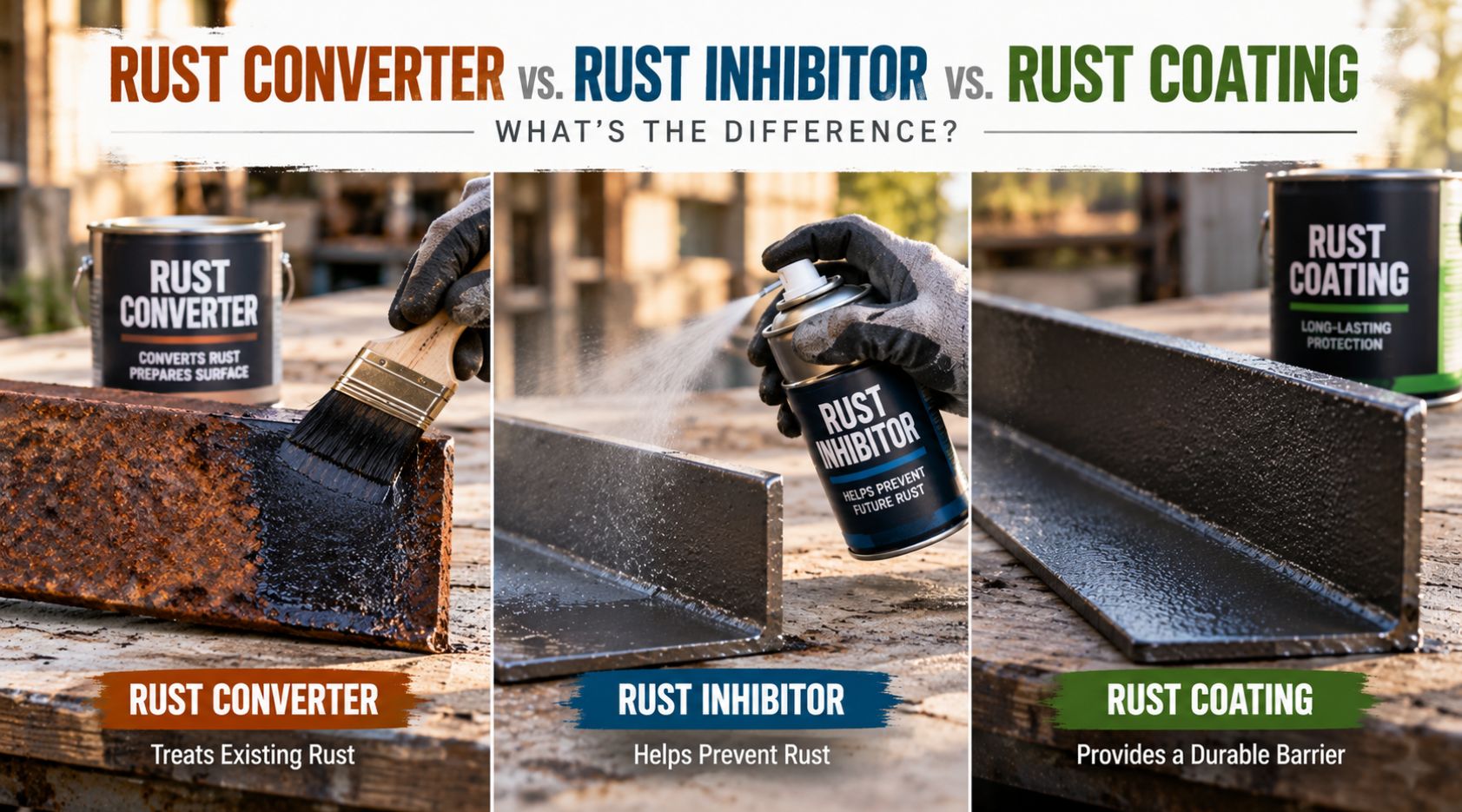
Every year, automotive rust costs American vehicle owners more than $3 billion in repairs and premature trade-ins. Road salt, humidity, mud, and standing water eat through bare metal quietly — long before you ever notice bubbling paint or crumbling rocker panels. The good news? Modern automotive rust prevention coating technology has made it easier and more affordable than ever to stop corrosion dead in its tracks, whether you drive a brand-new pickup or a decade-old daily driver.
In this complete guide, we break down exactly how rust forms, which vehicles are most at risk, and the most effective rust prevention strategies available in 2025 — from professional-grade undercoating to DIY rust inhibitor sprays.
What Causes Automotive Rust? Understanding the Enemy
Rust is iron oxide — the chemical reaction that happens when iron or steel meets oxygen and moisture over time. Your vehicle’s frame, suspension components, exhaust system, brake lines, and body panels are all primarily steel, which means every square inch of your car is a potential corrosion target.
Several factors dramatically speed up the process. Road salt, used heavily in northern states from October through March, is one of the most aggressive rust accelerators known. Salt lowers the freezing point of water and acts as an electrolyte, turbocharging the oxidation reaction. Vehicles driven in coastal environments face a similar threat from airborne sea salt. High humidity alone can cause surface rust in as little as four to five days on unprotected steel.
Stone chips, scratched paint, and small dings that expose bare metal become rust entry points. Once moisture finds even a pinhole of exposed steel, rust begins working from the inside out — spreading under intact paint until large sections of metal are compromised.
The Three Stages of Automotive Rust
- Surface rust: Appears as minor bubbling or discoloration. Still easy to treat and reverse with proper rust inhibitor coatings.
- Scale rust: The rust has eaten deeper into the metal, causing flaking and pitting. Requires professional surface prep before coating.
- Penetrating rust: The metal is compromised through its full thickness. At this stage, structural integrity is at risk and replacement may be necessary.
Which Vehicles Are Most Vulnerable to Rust?
Geography and vehicle age are the two biggest risk factors. States like Michigan, Ohio, Minnesota, Wisconsin, and New York — heavy salt-belt states — see vehicles rust out years faster than identical cars driven in Arizona or Southern California. Fleet vehicles and work trucks used year-round in harsh conditions are particularly vulnerable.
Older vehicles manufactured before automakers started using galvanized steel and improved factory undercoating processes are significantly more susceptible. However, even late-model trucks and SUVs are not immune — factory rust protection is designed to meet a minimum warranty threshold, not to provide decades of heavy-duty protection.
Pickup trucks with open bed floors, leaf spring suspensions, and exposed frame rails face especially heavy exposure. Towing and off-road use introduces additional moisture, mud, and debris that accelerate corrosion in areas that never fully dry out.
Top Automotive Rust Prevention Methods in 2025
Not all rust prevention solutions are created equal. Here is a clear breakdown of what actually works, ranked by effectiveness and longevity.
1. Professional Epoxy Undercoating — The Gold Standard
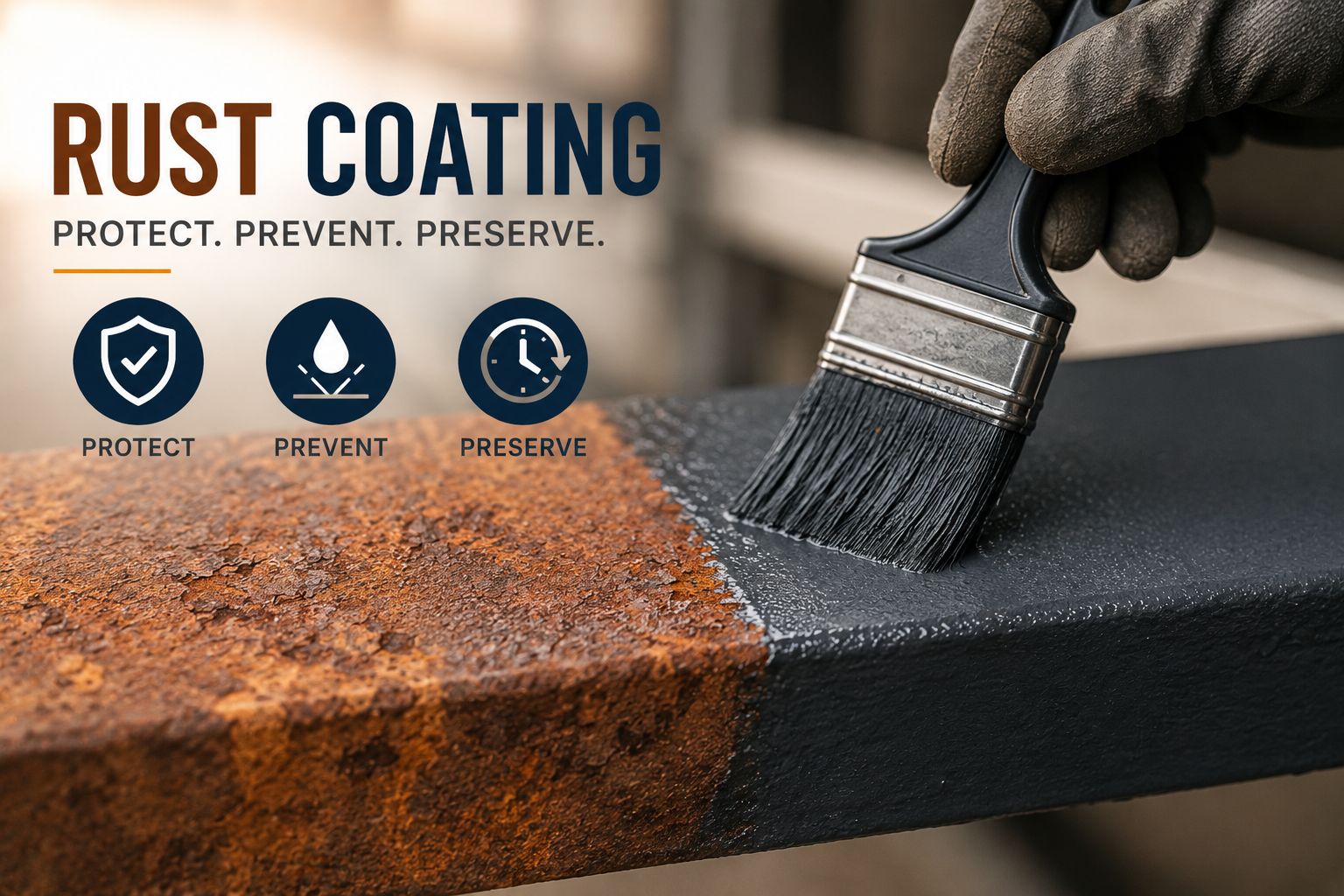
A professionally applied multi-layer epoxy undercoating system is the single most effective automotive rust prevention method available. A certified rust coating technician preps the surface, removes any existing corrosion, applies a zinc-rich primer to passivate the steel, and follows with a high-build epoxy intermediate coat and a tough topcoat or rubberized finish.
This type of system — when applied correctly — bonds directly to clean metal and creates a physical and chemical barrier against moisture, salt, and road debris. A quality professional application lasts 10 to 15 years and often carries a written warranty. It’s the approach used on commercial fleet vehicles, government equipment, and any asset where long service life matters.
2. Rubberized Undercoating Spray
Rubberized undercoating is a thick, flexible coating that deadens road noise while also providing a physical moisture barrier. It’s a popular option for truck beds, wheel wells, and underbody panels. The rubberized material resists stone chips and abrasion well, making it a practical choice for trucks and off-road vehicles.
One important caveat: rubberized undercoating must be applied to a completely clean, dry, rust-free surface. Applied over even minor existing rust, it can trap moisture and actually accelerate corrosion underneath. This is why professional surface preparation — not the coating product itself — is the most critical variable in any rust prevention job.
3. Zinc-Rich Corrosion Inhibitor Primers
Zinc-rich primers work through a process called galvanic protection. Because zinc is more electrochemically active than steel, it preferentially corrodes in place of the underlying metal — essentially sacrificing itself to protect the iron. This is the same principle behind hot-dip galvanizing used on structural steel.
For vehicles, zinc-rich primers are typically used as the first layer in a professional multi-coat system. They provide outstanding corrosion resistance even when the topcoat is scratched or chipped because the zinc continues to protect the underlying steel through direct contact.
4. Electronic Rust Modules
Electronic rust inhibitor modules have become increasingly popular in dealerships and auto accessory shops. These devices claim to use a low-voltage electrical current to slow the electrochemical corrosion process. However, independent automotive engineering studies have found limited evidence of effectiveness, and most materials scientists regard them as unreliable compared to physical barrier coatings. They are not recommended as a primary rust prevention strategy.
5. Wax-Based Cavity Sprays
Wax or oil-based cavity sprays are designed to penetrate the enclosed structural cavities of a vehicle — door sills, rocker panels, and frame rails — where moisture can accumulate in areas a brush or spray gun cannot easily reach. Products like Fluid Film and similar lanolin-based treatments are widely used by fleet managers and are genuinely effective at slowing rust in these hard-to-reach areas.
Because wax-based treatments wash away over time, they typically need to be reapplied every one to three years depending on conditions. They work best as a supplement to a hard-coat barrier system rather than as a standalone solution.
When Should You Apply Automotive Rust Prevention Coating?
The single best time to protect a vehicle is when it is brand new, before any rust has had a chance to start. Factory undercoating protects the top surface of metal components, but frame rails, suspension pockets, and inner cavities often leave bare metal exposed. Adding a professional rust prevention coating immediately after purchase is the most cost-effective long-term investment you can make in a vehicle.
For older vehicles, the window hasn’t closed — but the process becomes more involved. Surface rust and scale rust must be fully removed through abrasive blasting or chemical treatment before any coating is applied. Coating over active rust without proper preparation is one of the most common mistakes vehicle owners and even inexperienced shops make, and it results in coating failure within one to two seasons.
Before winter hits each year is another natural trigger point. Having a rust protection inspection and spot treatment done in October or November means your vehicle is sealed before the first road salt application of the season.
DIY vs. Professional Automotive Rust Coating: What’s the Real Difference?
Walk into any auto parts store and you’ll find dozens of rust prevention sprays, paints, and undercoating kits. These products have their place — particularly for small spot repairs and cavity treatments — but they fall significantly short of professional systems for several reasons.
Surface preparation is the most critical factor in any coating job. Professional facilities use abrasive blasting equipment to achieve the surface cleanliness and profile required for industrial-grade coating adhesion. Without proper surface prep, even premium coatings will peel, bubble, or fail prematurely. The average DIY preparer using a wire brush and rattle-can primer simply cannot achieve the same adhesion foundation.
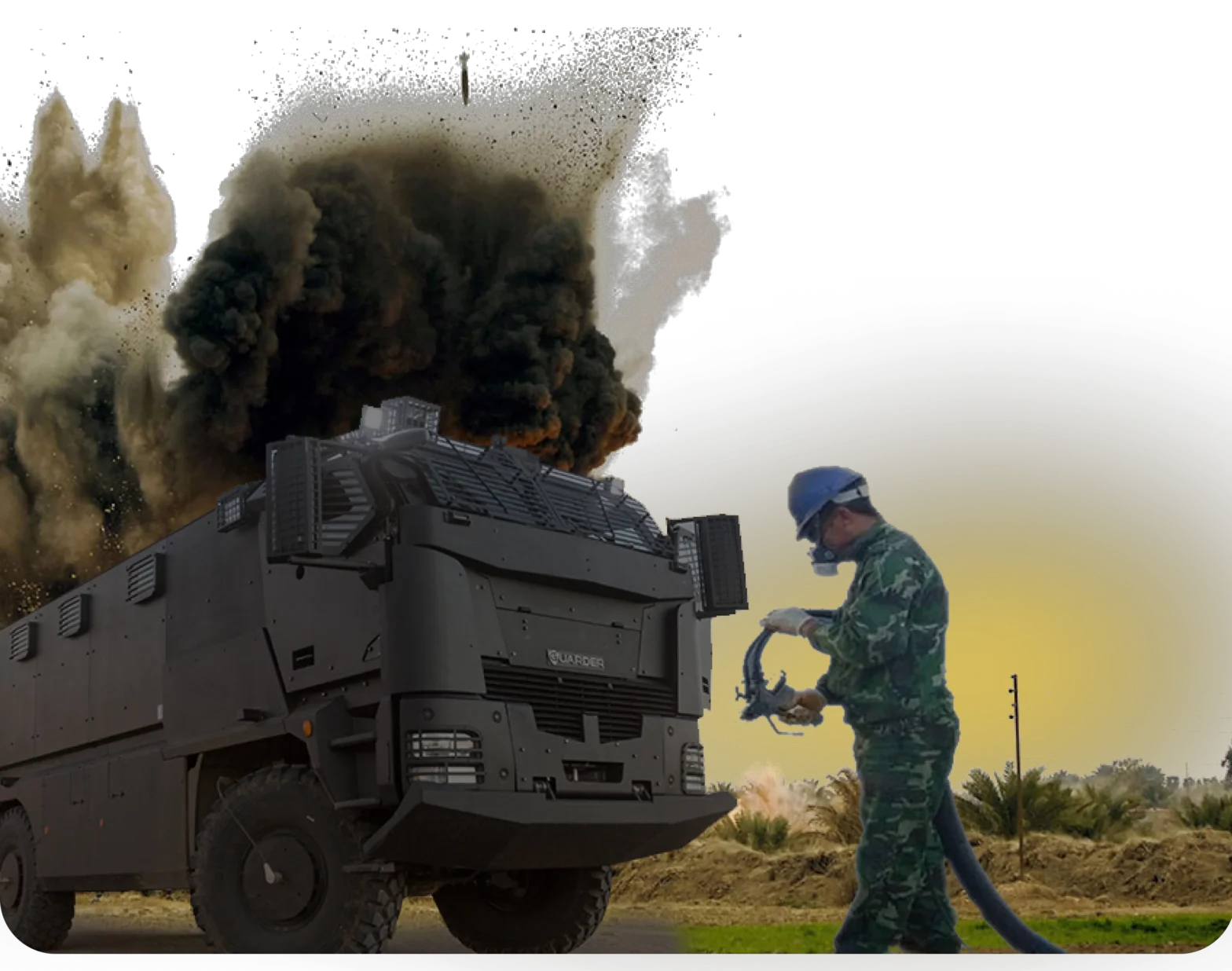
Film thickness control is another major variable. Professional rust coatings are applied with airless spray equipment and measured with DFT (dry film thickness) gauges to ensure every area of the vehicle receives the specified coating build. Under-applied coating — even by 1–2 mils — can cut service life by 40% or more.
For vehicles you intend to keep for five or more years — especially trucks, classic cars, or any vehicle used in a salt-belt state — a professional automotive rust prevention treatment pays for itself many times over in avoided repairs and preserved resale value.
How Much Does Professional Automotive Rust Prevention Cost?
Costs vary by vehicle size, coating system, and geographic market. For a typical full-size pickup truck, a professional full undercoating and cavity treatment from a certified rust coating company typically runs $400 to $900 depending on the system chosen. For a passenger car or SUV, costs generally fall between $300 and $650.
Compare those numbers to the $1,500 to $5,000+ cost of repairing significant rust damage — or the $3,000 to $8,000 in lost trade-in value a heavily rusted vehicle carries — and the return on investment becomes very clear, very fast. Many rust coating companies also offer multi-year warranty plans that provide additional coverage and periodic inspection.
5 Signs Your Vehicle Needs Rust Treatment Right Now
- You can see bubbling or blistering paint on body panels — this is almost always rust working from underneath.
- You notice orange streaking below door edges, wheel arches, or rocker panels.
- Your vehicle is 5+ years old and has never had professional undercoating applied.
- You live in a salt-belt state or within 10 miles of a coastal environment.
- You hear unusual road noise from the underbody — thin or missing undercoating is a common cause.
Frequently Asked Questions About Automotive Rust Prevention
Does automotive rust prevention coating affect fuel economy?
No. Professional undercoating adds very little weight — typically 5 to 10 pounds for a full truck treatment — and has no measurable effect on fuel economy. The added aerodynamic smoothness of a fully coated underbody can actually slightly reduce turbulence at highway speeds.
Can you apply rust prevention coating over existing rust?
Only after the rust has been fully removed or chemically converted. Applying coating over active rust without proper treatment is one of the leading causes of premature coating failure. A reputable company will always start with thorough surface preparation — abrasive blasting to SSPC SP-6 or better on heavily rusted areas.
How long does automotive rust prevention coating last?
A professional multi-coat epoxy system applied to a properly prepared surface typically lasts 10 to 15 years. Rubberized systems last 5 to 8 years. Wax and oil-based treatments need reapplication every 1 to 3 years. All systems benefit from periodic inspection, especially in high-wear areas like wheel wells.
Does rust prevention coating increase resale value?
Yes — significantly. A clean, corrosion-free underbody is one of the most compelling selling points for used vehicles in northern markets. Buyers and dealers routinely discount rust-damaged vehicles by thousands of dollars. Documented rust prevention treatment history is a genuine added-value item when selling privately or trading in.
Ready to protect your vehicle with professional automotive rust prevention? Rust Coatings is America’s most trusted rust coating specialist, with 20+ years of experience and a 25-year warranty program. Get a free quote today and drive with confidence no matter what the road throws at you.